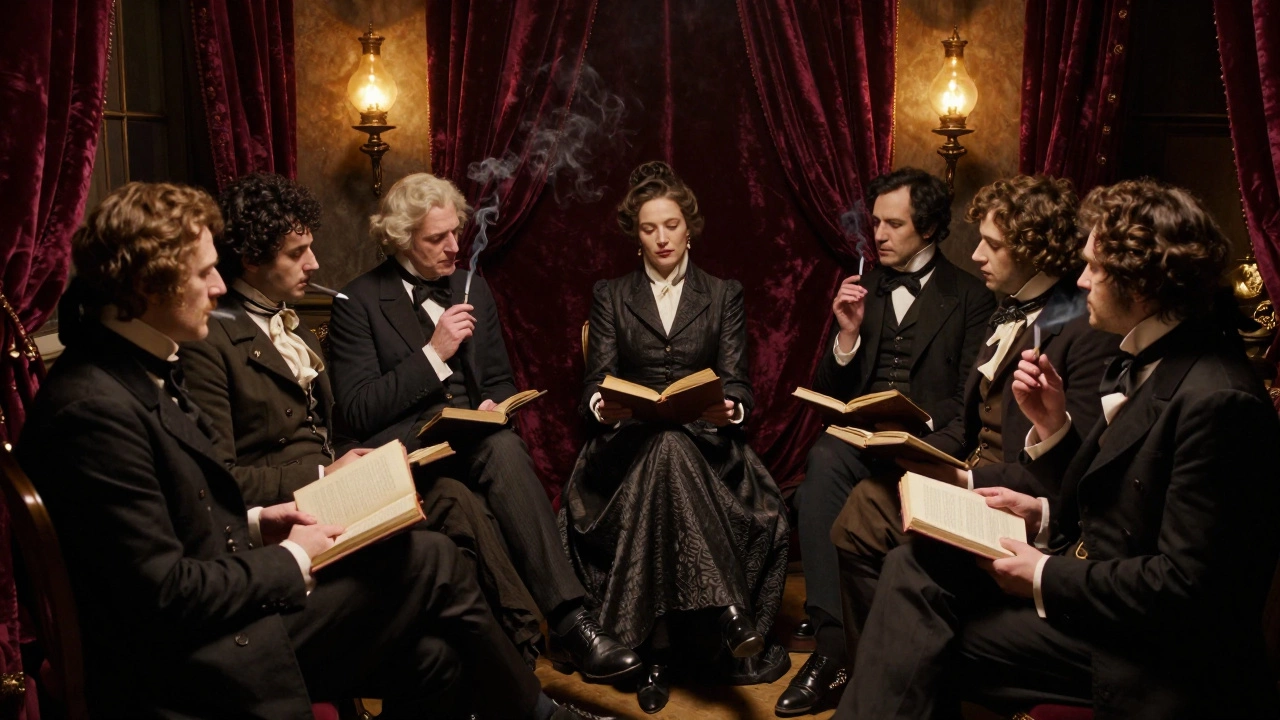
In the dim glow of gas lamps and the hushed rustle of silk gowns, the erotic literary salon was never just about books. It was about bodies, breath, and the unspoken contract between desire and intellect. These gatherings, which flourished in Paris, Vienna, and Berlin from the late 1700s through the early 1900s, were where poets, philosophers, and courtesans traded sonnets for secrets, and where sexuality wasn’t hidden behind closed doors-it was the very fuel of conversation. Women like Madame de Staël and George Sand didn’t just write about passion; they lived it openly, surrounded by men and women who saw eroticism not as sin, but as a form of truth-telling. The salon wasn’t a brothel, but it didn’t pretend to be above desire either. And in that tension, something rare took root: a space where erotic expression was treated with the same seriousness as political theory.
Today, you might stumble upon a modern echo of this in places like euroescort london, where the allure of mystery and physical presence still draws people seeking connection beyond the ordinary. But the old salons had something deeper: they demanded intellectual equality. A woman who could quote Baudelaire while undressing her guest wasn’t performing seduction-she was claiming authority. The erotic wasn’t decoration; it was the method. The room became a stage where power shifted with every whispered line of verse, every lingering touch, every shared cigarette lit in silence.
The Architecture of Desire
These salons didn’t happen in ballrooms or grand parlors. They were held in private studies, hidden gardens, or rooms with heavy velvet curtains that blocked out the world. Lighting was low, scent was deliberate-jasmine, sandalwood, or the sharp tang of absinthe-and chairs were arranged in loose circles, not rows. This wasn’t about hierarchy. It was about intimacy. The layout forced proximity. A man leaning forward to argue Hegel might find his hand brushing the knee of the woman next to him who was reading Sade aloud. No one flinched. That was the point.
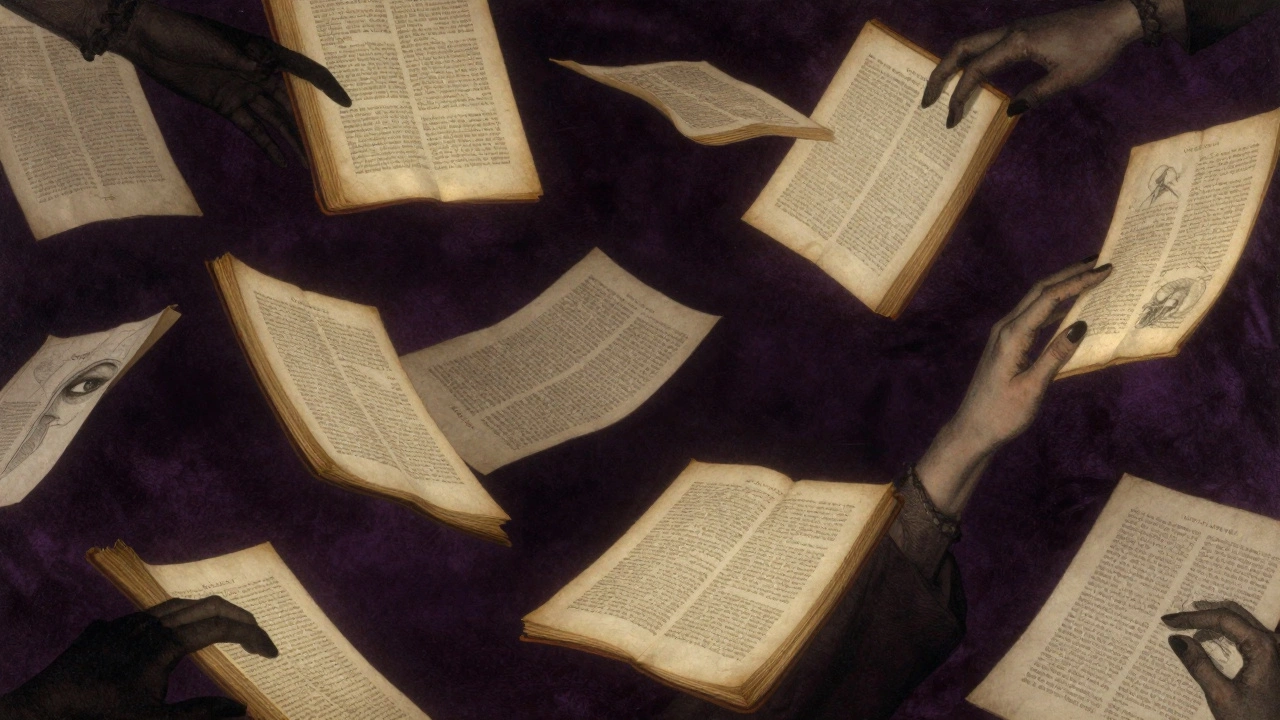
Books were chosen carefully. Voltaire’s satires, de Sade’s transgressive novels, and even banned medical texts on human anatomy were passed around like sacred texts. The erotic wasn’t just in the content-it was in the act of reading it aloud, in the way a voice trembled on a forbidden word, in the silence that followed. A poem about a lover’s sigh wasn’t just literature. It was a dare. And the room responded-not with gasps, but with deeper breaths.
Women as Masters of the Game
Forget the myth of the passive muse. The most powerful figures in these salons were women who ran them. They curated the guests, controlled the flow of conversation, and decided who got to speak next. Their erotic prowess wasn’t in how they looked-it was in how they commanded attention. They knew when to be quiet, when to interrupt, when to offer a glass of wine with fingers that lingered a second too long. They didn’t seduce to please. They seduced to provoke.
Madame Récamier, who hosted salons in Paris long after her beauty faded, was said to have held court with nothing but her voice and the weight of her reputation. Men came not for sex, but for the chance to be seen by her, to be measured by her mind. Her salon was a mirror: if you could hold your own in her presence, you were worthy. If you couldn’t, you left quietly. The eroticism wasn’t physical-it was psychological. And that made it more dangerous.
The Decline and the Disguise
By the 1920s, the salons began to vanish. The world had changed. War, industrialization, and the rise of mass media turned private gatherings into public spectacles. The rise of psychoanalysis turned desire into pathology. The rise of feminism, ironically, pushed sexuality out of intellectual spaces, forcing it into the realm of the private, the clinical, or the commercial.
What replaced the salon? The nightclub. The dating app. The paid encounter. And in that shift, something vital was lost: the idea that eroticism could be both sacred and subversive, that it could live beside philosophy without being reduced to performance. Today, when you hear the term “euro girls london,” it’s often tied to transactional encounters. But in the 18th century, a woman who offered her body as part of a literary evening wasn’t selling herself-she was offering her whole self, mind and flesh, as a challenge to the world’s hypocrisy.
Why This Still Matters
We live in a time where sexuality is either overexposed or completely sanitized. On one end, there’s the endless scroll of curated intimacy on social media. On the other, there’s the silence of shame that still clings to honest desire. The erotic literary salon reminds us that desire doesn’t need to be hidden to be respected. It doesn’t need to be commodified to be powerful.
What if we could bring back the salon-not as a party, but as a practice? A space where conversation is as intimate as touch, where a line from Rilke can spark the same shiver as a kiss. Where the erotic isn’t a separate category, but the undercurrent of every meaningful exchange.
That’s the legacy these salons left behind. Not in the scandal, but in the silence between words. Not in the bodies, but in the courage it took to let them be seen.
And if you ever find yourself in London, curious about the modern face of that same energy, you might hear whispers of euro girls escorts london-a phrase that echoes, faintly, the old salons, stripped of poetry but still clinging to the same hunger for connection.
The Last Whisper
The final salon in Berlin closed in 1933. The books were burned. The women were scattered. But the idea didn’t die. It just changed shape. It moved underground. It became a text passed hand to hand. A note scribbled on a napkin. A glance across a crowded room that said, without words: I know what you mean.
That’s the real sexual prowess-not in the act, but in the recognition. In the knowing. In the quiet moment when two people, across centuries, understand each other without needing to explain.
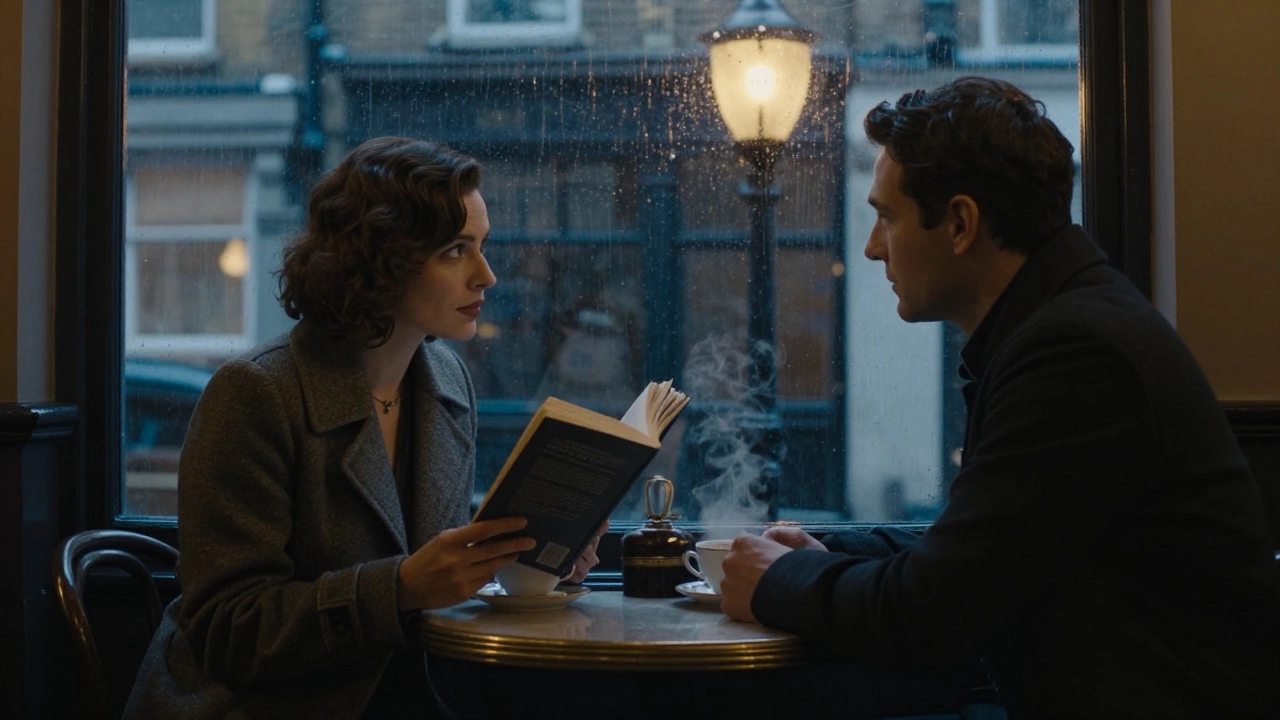
And somewhere, in a quiet corner of London, a woman reads Sade in a café. A man sits across from her. He doesn’t speak. He just nods. She smiles. The air between them is thick-not with lust, but with memory. That’s the salon, still alive.
It’s still here. You just have to know where to look.
Maybe that’s why you’re reading this. Maybe you already know.