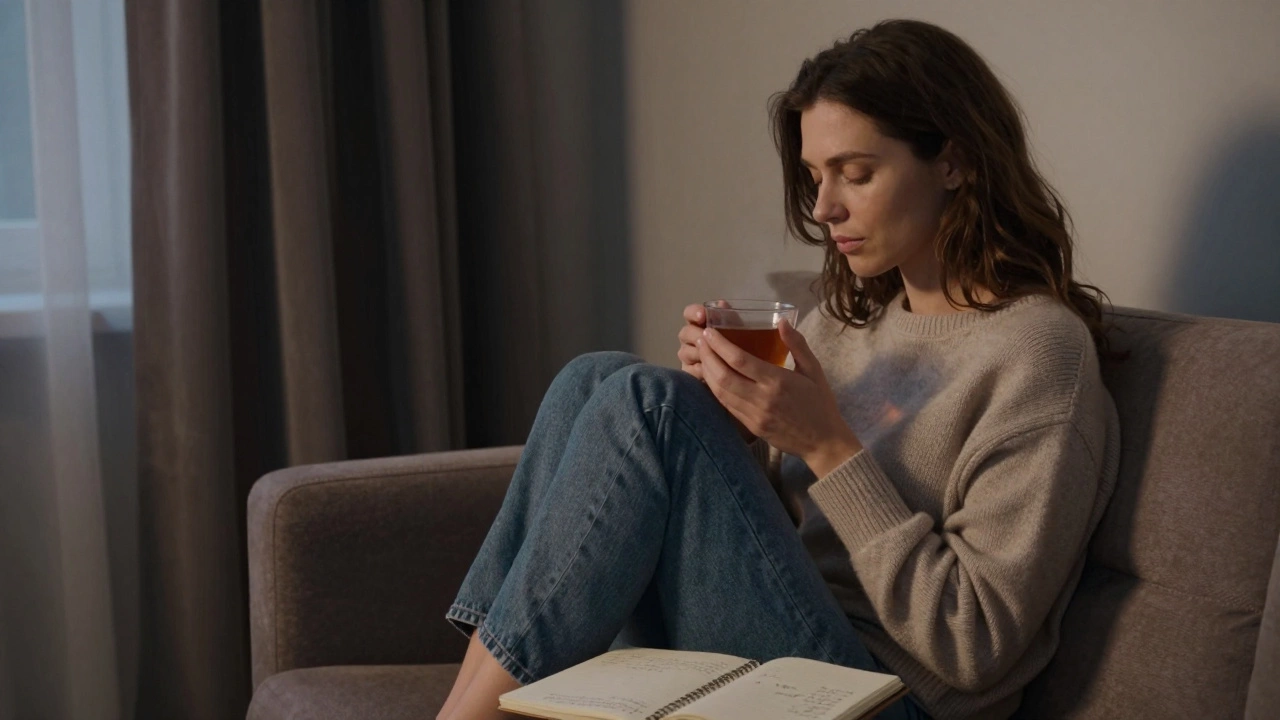
When people talk about escort girls in Russian, they often focus on looks - long legs, perfect makeup, designer clothes. But that’s just the surface. The real story is deeper, quieter, and far more human than any photo gallery suggests. These women aren’t just there to be seen. They’re there to listen, to connect, to offer something that’s hard to find in a world that moves too fast: presence.
Some of them work in Moscow apartments with velvet curtains and expensive coffee machines. Others travel to St. Petersburg for weekend bookings. A few even fly to cities like Dubai, where the demand for discretion and high-end service is just as strong. One woman I spoke with, who asked to remain anonymous, told me she once worked a six-hour shift in a penthouse near the Burj Khalifa. It wasn’t about the money - though it paid well - it was about being treated like a person, not a product. That’s why some clients return again and again. Not for the body, but for the calm. If you’re curious about what that kind of service looks like in practice, you can read more about luxury escort dubai experiences - it’s not all glitz, it’s mostly precision.
The term ‘escort’ gets thrown around like it’s a single thing. But in Russia, it’s not. There’s the casual companion who meets for dinner and a movie. There’s the professional who handles corporate events and diplomatic dinners. And then there’s the kind who specializes in emotional support - someone who remembers your birthday, knows your dog’s name, and doesn’t flinch when you cry. These women often have degrees. Some studied psychology. Others were teachers or translators before they made the switch. The job isn’t about seduction. It’s about emotional labor.
What you won’t see in the ads is the paperwork. Every serious escort in Russia keeps records. Contracts. ID verification. Payment logs. They use encrypted apps, not WhatsApp. They avoid social media. They don’t post selfies. They know the difference between being visible and being exposed. And they’re not fools. The ones who last five years or more? They treat this like a business - with boundaries, with insurance, with a clear exit plan.
Why the ‘Naturale’ Approach Wins
The market is flooded with profiles that look like they were photoshopped by someone who’s never met a real person. Fake lashes. Airbrushed skin. Studio lighting that hides every wrinkle, every scar, every hint of tiredness. But the clients who come back? They’re not looking for perfection. They’re looking for escort naturale. Real eyes. Real voice. Real silence when it’s needed.
One client, a 52-year-old engineer from Novosibirsk, told me he’d spent years with women who acted like they were in a movie. Then he met someone who wore jeans, drank tea without sugar, and asked him about his childhood. He said that was the first time in ten years he felt like he wasn’t being sold something. That’s the difference. The ones who succeed aren’t the ones who look the most like models. They’re the ones who feel the most like friends.
The Myth of the ‘Escort Dubay’
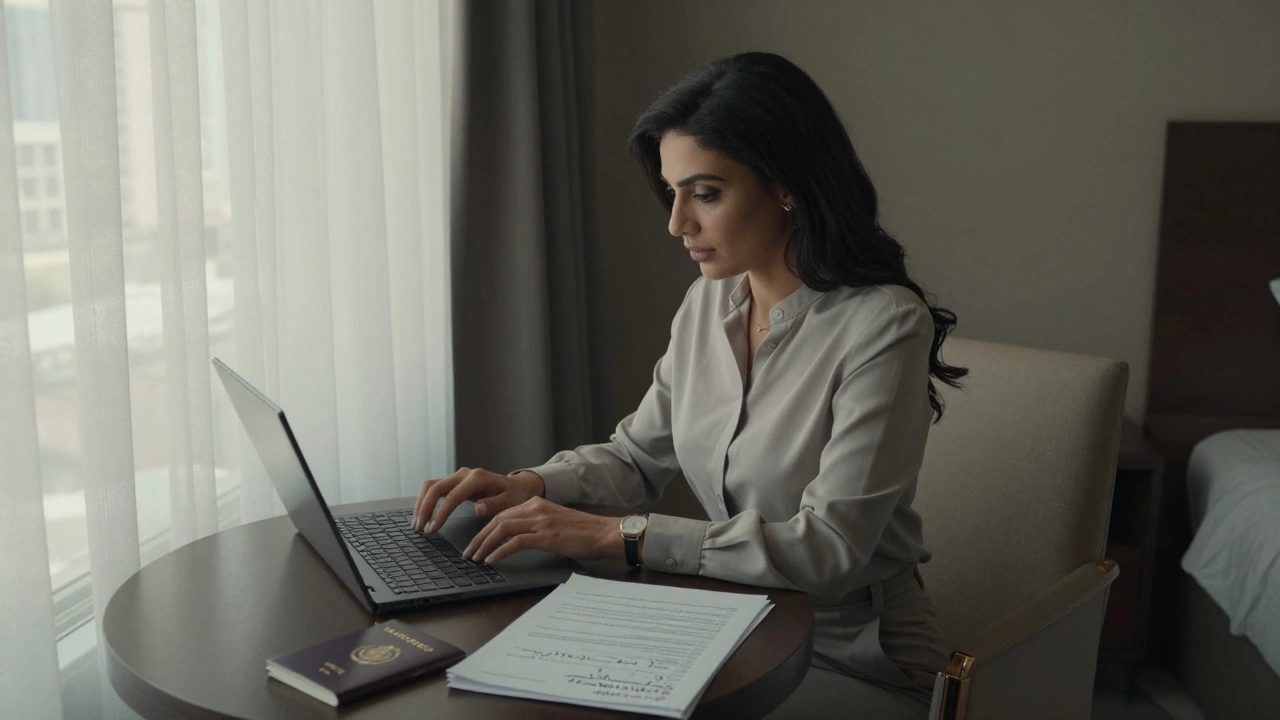
You’ll hear stories about women flying from Moscow to Dubai for high-paying gigs. It sounds glamorous. But here’s what you don’t hear: the visa stress. The language barriers. The cultural misunderstandings. The fact that many of these women are working under third-party agencies that take 40% of their earnings. And the ones who make it work? They’re not there because they want to be in Dubai. They’re there because they need the money - and they know how to navigate the system.
One woman I met in Almaty told me she did three trips to Dubai last year. Each time, she flew economy, stayed in a studio apartment near the Dubai Marina, and spent her days studying Arabic phrases and local customs. She didn’t go for the nightlife. She went because the pay was six times what she could make at home. And she saved every ruble. Her goal? To open a small language school for women in Siberia. That’s not the story you see on Instagram. But it’s the one that matters.
That’s why the term escort dubay is misleading. It’s not a lifestyle. It’s a transaction. And the women who do it? They’re not chasing fantasy. They’re building something real.
What Nobody Tells You About the Clients
Most people assume the clients are rich old men with money to burn. Sometimes they are. But more often, they’re single fathers who haven’t had a real conversation in months. They’re divorced women who’ve lost their social circles. They’re international students who feel lonely in a city where no one speaks their language. They’re engineers who work 80-hour weeks and don’t know how to relax. They’re not looking for sex. They’re looking for a break from being alone.
One escort in Yekaterinburg told me about a client who came every Tuesday for two years. He never touched her. He just sat on the couch, talked about his late wife, and cried. She kept tissues ready. She never asked him to leave. She didn’t charge extra. She just showed up. That’s the unspoken contract: you give me your silence, I give you mine.
The Rules They Live By
There are no official guides. No handbooks. But every serious escort in Russia follows the same unspoken rules:
- Never share your real name with a client.
- Always have a code word to signal danger.
- Never meet alone in a hotel room without a trusted friend checking in.
- Never accept cash without a receipt - even if it’s just a note on a napkin.
- Never say you love someone. Ever.
These aren’t just safety tips. They’re survival tactics. The ones who break them? They disappear. Or worse - they become a headline.
What Happens After?
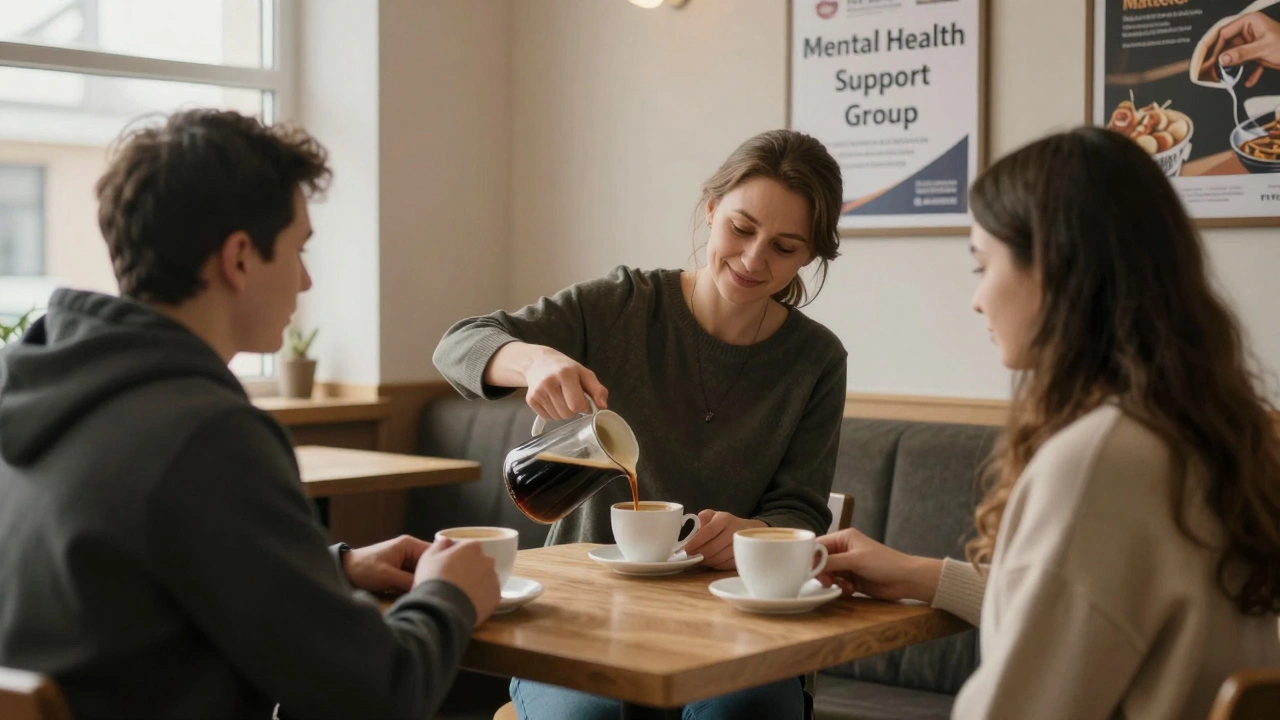
Most people assume these women end up in the same place: broke, broken, forgotten. But that’s not true. Many leave after a few years. Some go back to university. Others start blogs about mental health. A few open businesses - a boutique, a café, a translation service. One woman I met in Kazan now runs a support group for former escorts. She doesn’t call them that. She calls them ‘women who once chose independence’.
There’s no redemption arc. No dramatic comeback. Just quiet resilience. They don’t want your pity. They don’t want your applause. They just want to be seen - not as a stereotype, not as a fantasy, but as someone who made a choice and stuck with it.
That’s what’s missing from the headlines. The humanity.